Starting solids: the short list of equipment you actually need

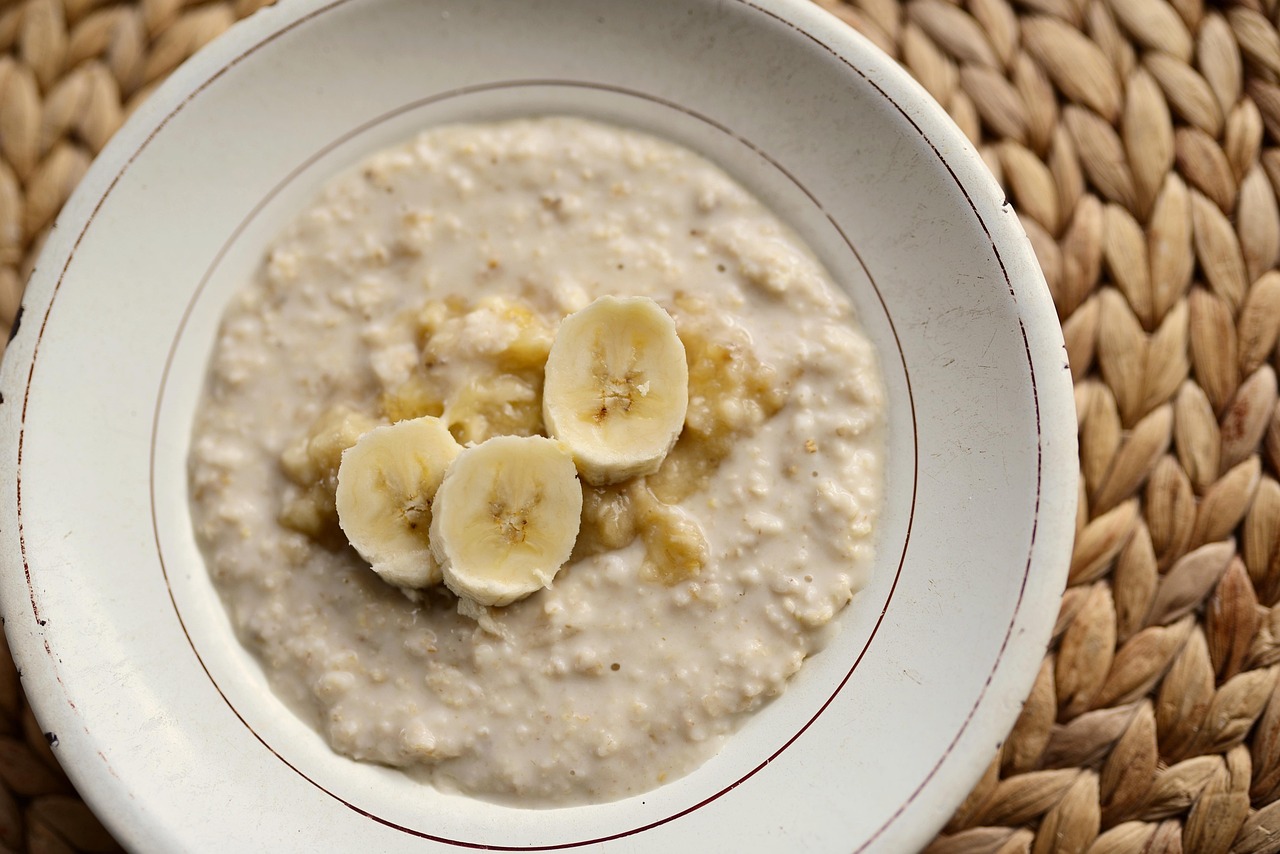
Embarking on the journey of introducing solid foods to your baby is a major milestone, often met with a mix of excitement and a little apprehension. It marks a significant developmental leap, transforming feeding times into new adventures of taste, texture, and independent exploration. As your little one begins to show signs of readiness – typically around six months – the question of what equipment you truly need invariably arises amidst a sea of options.
The market is saturated with gadgets and gear, making it challenging to discern the essentials from the nice-to-haves. Our aim here is to simplify that process, providing a straightforward guide to the core items that will genuinely support you and your baby during this transitional phase. We’ll focus on practical, durable, and easy-to-clean equipment that stands the test of daily use, ensuring a smoother and more enjoyable weaning experience for everyone.
The High Chair: A Safe and Secure Base
A good high chair is arguably the most crucial piece of equipment for starting solids. It provides a dedicated, safe, and upright space for your baby to eat, which is essential for preventing choking and encouraging good posture. Look for a high chair with a secure harness, preferably a five-point system, to keep your little one safely strapped in, especially as they grow more mobile and curious.
Prioritise ease of cleaning when selecting a high chair. Surfaces that can be wiped down effortlessly, removable trays that are dishwasher-safe, and fabrics that can be easily laundered will save you significant time and effort. Adjustable height and footrests are also beneficial, allowing the chair to grow with your child and provide optimal ergonomic support as they develop.
Plates and Bowls: Keeping Food in Place
When it comes to serving food, plates and bowls designed for babies are a game-changer. The key feature to look for is a strong suction base. This prevents the bowl or plate from being easily lifted, thrown, or tipped over by an enthusiastic baby, significantly reducing mess and frustration for both parent and child during mealtimes. Silicone options are particularly popular due to their durability.
Consider bowls and plates made from food-grade silicone, which is soft, flexible, and virtually unbreakable. Many options come with multiple compartments, ideal for offering a variety of foods and introducing different tastes and textures without them mixing. Choose sizes appropriate for small portions, encouraging self-feeding and reducing food waste as your baby learns to eat.
Soft-Tip Spoons: Gentle on Gums
Introducing spoons can be an exciting step towards independent eating. For the initial stages of starting solids, soft-tip spoons are highly recommended. Their gentle silicone tips are kind to delicate gums and emerging teeth, making the experience more comfortable for your baby. This softness also protects against accidental scrapes as your baby learns to coordinate their mouth movements.
Look for spoons with a shallow bowl, designed for small mouths and small portions. A longer handle can be helpful for parents feeding their baby, while a shorter, chunkier handle is excellent for promoting self-feeding as your child develops their grip. Ensure the spoons are easy to clean, preferably dishwasher-safe, to maintain hygiene with minimal fuss.
Bibs: Your First Line of Defence Against Mess
Silicone Bibs with Catch-All Pockets
Feeding a baby solids inevitably involves mess, but the right bib can significantly contain the chaos. Silicone bibs are a top choice for their practicality. They are waterproof, easy to wipe clean after each meal, and can even be rinsed under the tap or popped into the dishwasher. Their robust nature means they stand up to repeated use and remain hygienic without absorbing food odours.
The standout feature of silicone bibs is their integrated catch-all pocket. This clever design effectively traps dropped food and liquids, preventing them from landing on your baby’s clothes or the floor. Adjustable neck fastenings ensure a comfortable and secure fit as your baby grows, making them a long-lasting and invaluable tool in your weaning arsenal.
Cups: Sipping Towards Independence
While milk remains the primary drink for babies under one, introducing sips of water with meals is a good practice to establish healthy habits. Start with an open cup or a small, lightweight straw cup. An open cup, even one with handles, helps babies learn to sip rather than suck, promoting proper oral development and coordination from an early age.
For those times when an open cup might be too messy, a straw cup with a weighted straw can be an excellent alternative. The weighted straw allows the baby to drink from any angle, reducing frustration. Look for cups made from durable, non-toxic materials like silicone or BPA-free plastic, ensuring they can withstand drops and are easy to clean.
Food Preparation Tools: Simple and Effective
While you don’t need a host of complex gadgets, a few basic tools can make preparing baby food much easier. A simple steamer basket for cooking fruits and vegetables is invaluable, preserving nutrients and creating soft textures perfect for pureeing or mashing. For mashing, a fork or a small potato masher will suffice, especially for softer cooked items.
If you plan to make larger batches of purees, a small blender or food processor can be a worthwhile investment. However, for most parents, a stick blender offers fantastic versatility, allowing you to blend food directly in the cooking pot. Focus on tools that are easy to use and clean, rather than overly specialised equipment that might gather dust.
Storage Solutions: Batch Cooking Made Easy
Batch cooking baby food can be a real time-saver, and having the right storage solutions is key. Small, individual portion-sized containers are perfect for freezing purees or prepared meals. Silicone freezer trays with individual compartments, often with lids, allow you to freeze precise portions, which can then be easily popped out and stored in larger freezer bags.
When choosing storage containers, look for options that are freezer-safe, microwave-safe (for reheating), and dishwasher-safe for convenience. Glass containers with airtight lids are another excellent choice for both freezer and fridge storage, offering a non-toxic and durable option. Always label and date your stored food to ensure freshness and safety.
On-the-Go Feeding Essentials: Convenience Outside the Home
Fruit Feeders and Formula Dispensers
Venturing out with a baby who is starting solids requires a few portable essentials. Fruit feeders, available in mesh or silicone versions, are brilliant for safely introducing whole fruits and cooked vegetables. They allow your baby to gnaw and chew on soft foods without the risk of choking on larger pieces, providing an excellent way to explore new flavours and textures independently.
For formula-fed babies, a travel formula dispenser is indispensable. These typically feature pre-portioned compartments, allowing you to measure out the exact amount of formula powder needed for each feed. This eliminates the need to carry a large tub of formula and ensures quick, hygienic preparation when you’re away from home, streamlining feeding times on outings.
The short version
- Invest in a **safe, easy-to-clean high chair** with a secure harness as your foundational piece of equipment.
- Prioritise **suction bowls and soft-tip spoons** to minimise mess and protect delicate gums during feeding.
- Equip yourself with **silicone bibs with catch-all pockets** and appropriate **on-the-go feeding tools** for practicality and convenience.
Where to go next
Everything discussed here sits under Weaning Sets in our shop. Delivery and returns are set out on the Shipping Policy and Refund and Returns Policy pages. If something here does not answer your question, ask us directly — we would rather talk it through than have you buy the wrong thing.