Soft-tip spoons and baby-led weaning: sizes, angles and gag reflex

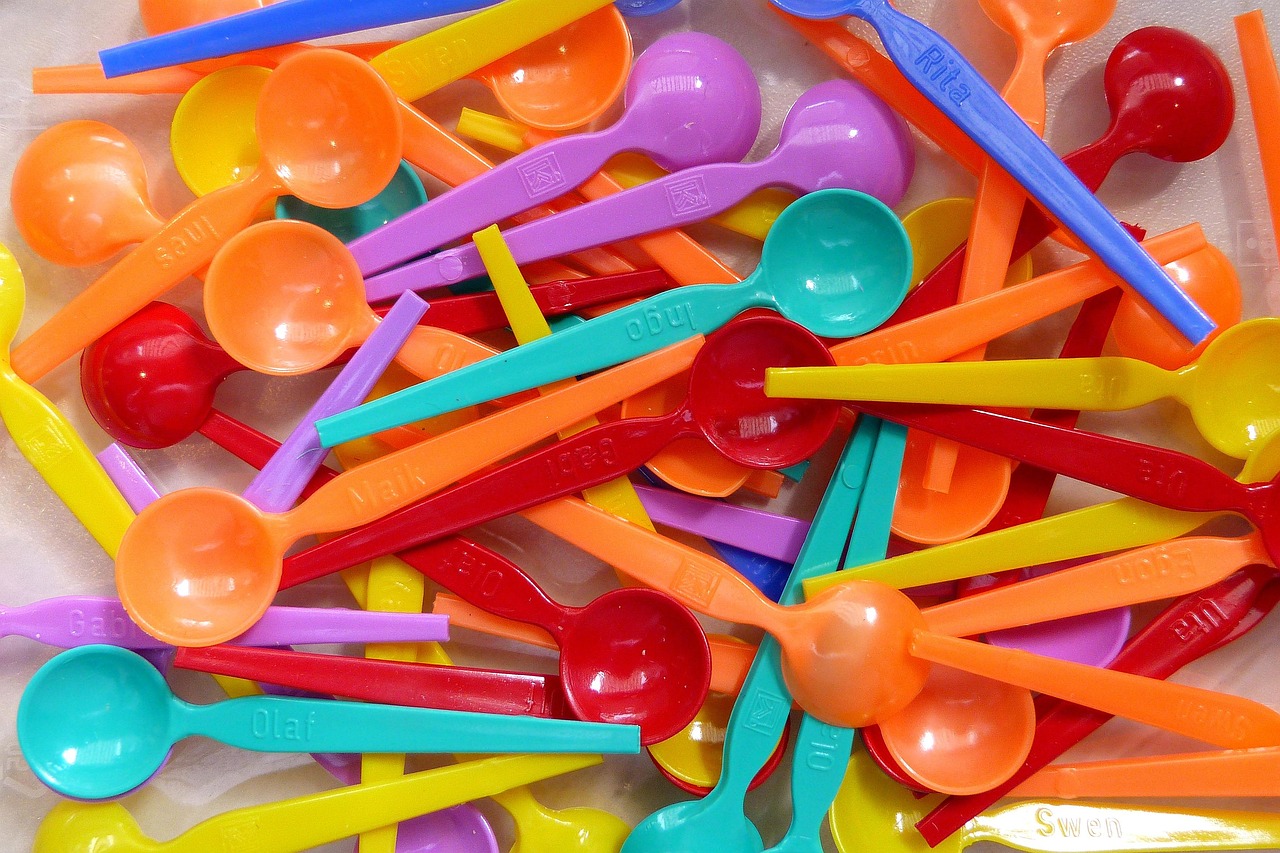
Starting the journey of introducing solid foods to your baby is a monumental step, filled with excitement and a touch of apprehension. For many parents, baby-led weaning (BLW) offers an appealing approach, empowering infants to explore tastes and textures at their own pace. This method encourages self-feeding from the outset, fostering independence and developing crucial motor skills that extend far beyond mealtime.
While BLW often conjures images of babies eagerly gripping finger foods, soft-tip spoons still play a significant, albeit different, role. They are not just for parent-led feeding; rather, they serve as vital tools for offering purees, yoghurts, or thicker consistencies that are less amenable to tiny grasping hands. Understanding how to integrate these spoons effectively, considering factors like size, angle, and the baby’s natural gag reflex, can greatly enhance your weaning experience.
Understanding Baby-Led Weaning and Spoons
Baby-led weaning is fundamentally about trusting your baby’s innate ability to self-regulate their food intake and explore solids independently. The core principle involves offering appropriately sized and shaped pieces of food, allowing the baby to pick them up and bring them to their mouth. This process helps develop hand-eye coordination, fine motor skills, and an understanding of satiety cues from a very early age.
While the emphasis is on self-feeding with hands, there are practical instances where spoons become invaluable, even within a BLW framework. Foods like porridge, yoghurt, or mashed avocado, while excellent for nutritional variety, are difficult for babies to manage solely with their fingers. This is where a well-designed soft-tip spoon can bridge the gap, enabling babies to experience these textures without compromising the self-feeding philosophy.
The Role of Soft-Tip Spoons in BLW
Soft-tip spoons are not designed to take over the feeding process in baby-led weaning, but rather to complement it. They serve as a safe and effective tool for offering semi-liquid or mashed foods directly to the baby, allowing the baby to guide the spoon to their mouth, or for the parent to pre-load the spoon for the baby to grasp. This approach respects the baby’s autonomy while expanding their dietary options.
The very nature of a soft-tip spoon, typically made from silicone, makes it gentle on developing gums and emerging teeth. Unlike harder plastic or metal spoons, these are designed to be kind to the baby’s delicate mouth, making the experience of exploring new foods more comfortable and less intimidating. This comfort encourages a positive association with spoons and mealtime generally.
Spoon Sizes: First Solids and Beyond
Choosing the correct spoon size is paramount, especially during the initial stages of weaning. For a baby just starting solids, a smaller, shallower spoon bowl is ideal. This design ensures that only a small amount of food is delivered with each scoop, preventing overloading and reducing the risk of gagging. A shallow bowl also makes it easier for the baby to clear the food from the spoon with their lips.
As your baby grows and develops more sophisticated oral motor skills, you might consider spoons with slightly larger bowls. However, it is crucial to avoid spoons that are excessively deep or wide, as these can still overwhelm a baby’s mouth and make self-feeding challenging. The goal is always to provide a tool that supports their developing independence, not one that creates unnecessary hurdles.
Material Matters: Silicone vs. Other Soft Tips
When it comes to soft-tip spoons, silicone stands out as a superior material choice for several reasons. Its inherent flexibility and gentle texture are ideal for sensitive gums and emerging teeth, providing a comfortable oral experience. Silicone is also incredibly durable, resistant to high temperatures, and easy to clean, making it a practical and hygienic option for busy parents.
While other materials like certain plastics might also be soft, silicone offers a level of resilience and safety that is hard to match. It is typically free from harmful chemicals such as BPA, PVC, and phthalates, offering peace of mind. Furthermore, the non-porous nature of silicone prevents the absorption of food odours or flavours, ensuring each meal tastes as it should.
Angle of Attack: Spoon Design for Self-Feeding
The design of a soft-tip spoon, particularly its angle and handle, plays a critical role in facilitating self-feeding. Spoons with an ergonomic handle that is easy for small hands to grip are essential. Many starter spoons feature a short, chunky handle, often with a slight curve, which is perfect for a baby’s palmar grasp, allowing them to bring the spoon to their mouth with greater control.
Equally important is the angle of the spoon’s bowl relative to its handle. Some designs feature a slight bend or an angled bowl, which naturally helps babies scoop food and deliver it to their mouth without having to twist their wrist excessively. This thoughtful design minimizes frustration and encourages successful self-feeding attempts, building confidence with every bite.
Gag Reflex: Understanding and Managing It
The gag reflex is a natural and protective mechanism present in infants, designed to prevent choking by pushing food forward if it travels too far back in the mouth. It is perfectly normal and often triggered much further forward in a baby’s mouth than an adult’s, around the middle of the tongue. This reflex can be startling for parents but is a sign their baby is learning to manage food.
Introducing soft-tip spoons with small, shallow bowls helps manage the gag reflex by ensuring only appropriate amounts of food are presented. Encouraging the baby to control the spoon themselves allows them to determine how far back in their mouth the food goes. Consistent exposure to various textures and the process of self-feeding with spoons helps babies gradually desensitize their gag reflex, moving it further back over time as their oral motor skills mature.
Practice and Patience: Developing Oral Motor Skills
Developing the intricate oral motor skills required for independent spoon feeding takes time, practice, and a great deal of patience from parents. Every baby progresses at their own pace, and initial attempts might be messy, inefficient, or even met with rejection. It is important to remember that these early interactions with food and utensils are about exploration and learning, not perfection.
Offer the spoon to your baby and allow them to explore it. Let them grasp it, bang it, or even just mouth it. Pre-loading the spoon with a small amount of food and placing it on their tray or in their hand empowers them to take control. This repetition, combined with a supportive and positive mealtime environment, is crucial for building the confidence and coordination needed for successful self-feeding.
Transitioning to Utensil Independence
The journey from simple soft-tip spoons to more conventional cutlery is a gradual one, mirroring your child’s developing dexterity and confidence. As your baby gains proficiency with the initial ergonomic spoons, they will naturally begin to show interest in using utensils that resemble those used by older family members. This transition should be driven by their cues, not by a strict timeline.
When your child is ready, consider introducing spoons with slightly longer handles and perhaps a less pronounced curve, while still maintaining a soft tip for comfort. Observing their grasp, their ability to scoop, and their overall coordination will guide your choices. Remember, the ultimate goal is to foster a positive relationship with food and empower them to become confident, independent eaters.
The short version
For parents navigating the exciting world of baby-led weaning, soft-tip spoons are invaluable tools that complement finger foods and promote independence.
- Choose the right size and material: Opt for small, shallow silicone spoons that are gentle on gums and designed for tiny hands to grasp easily, preventing overloading and discomfort.
- Leverage ergonomic design: Select spoons with short, chunky, angled handles that facilitate a baby’s natural grasp and aid in successful scooping and self-delivery to the mouth.
- Encourage exploration and patience: Allow your baby to lead, pre-load spoons, and understand that gagging is a normal part of learning. Consistent practice in a positive environment helps develop oral motor skills and reduces gag reflex sensitivity.
Where to go next
Everything discussed here sits under Spoons and Forks in our shop. Delivery and returns are set out on the Shipping Policy and Refund and Returns Policy pages. If something here does not answer your question, ask us directly — we would rather talk it through than have you buy the wrong thing.