Bibs that actually catch things: pocket shape, stiffness and washing

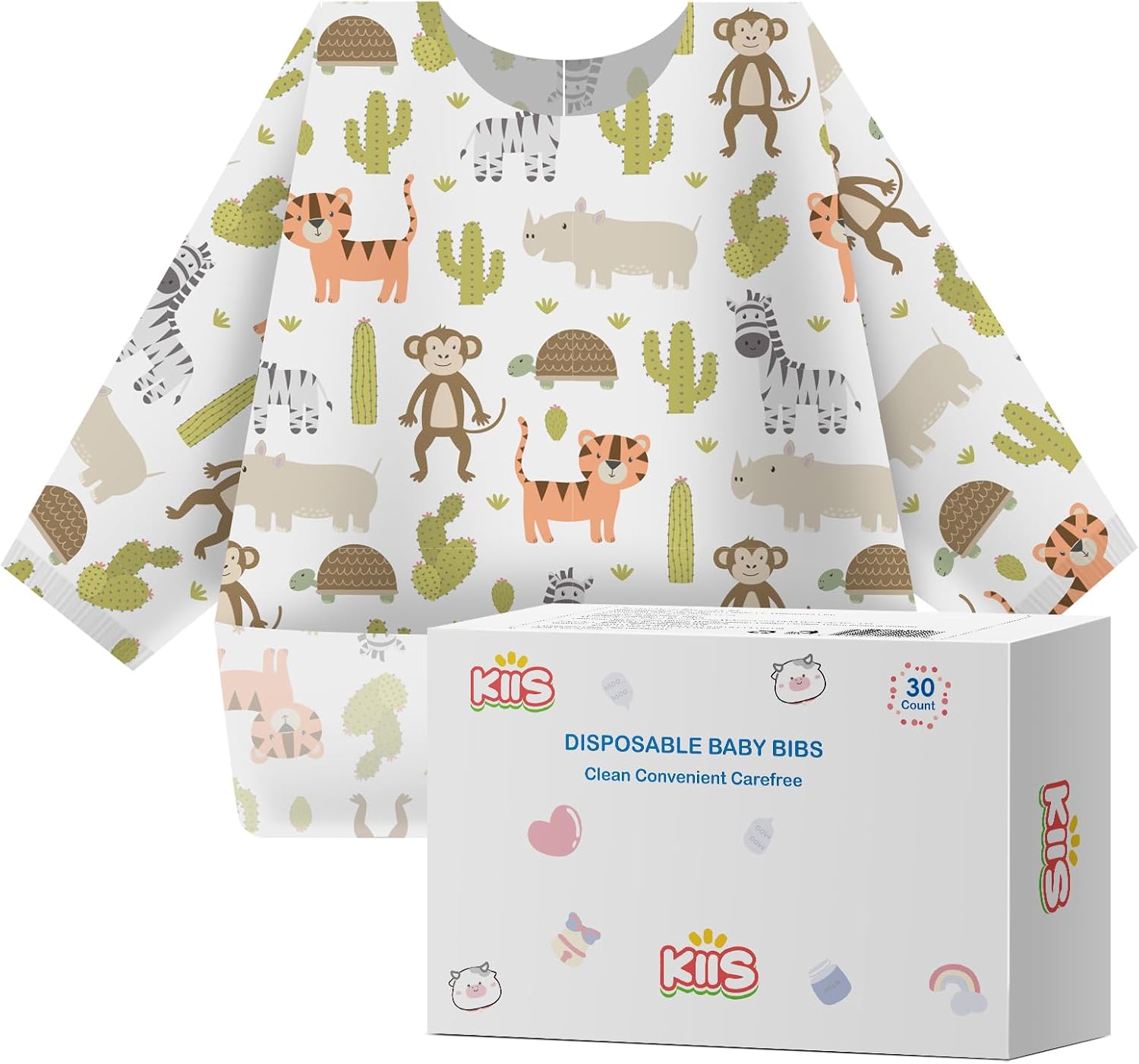
Weaning is a wonderful, if somewhat messy, journey for both babies and parents. While the joy of introducing new tastes and textures is undeniable, the reality of food splattered everywhere often dampens the enthusiasm. Many parents find themselves battling more food on the floor or baby’s clothes than in their mouth, despite using a bib. This common struggle highlights a fundamental issue: not all bibs are created equal when it comes to containing the inevitable spills.
An effective bib should do more than just protect clothing from minor dribbles; it needs to be an active participant in preventing food from escaping the eating zone. Understanding the specific features that make a bib truly functional can transform mealtimes from a chaotic cleanup mission into a more manageable and enjoyable experience. This guide will delve into the critical design elements that ensure a bib actually catches things, from its pocket shape and stiffness to proper washing techniques.
Understanding the Mess: More Than Just a Stain Protector
Introducing solid foods marks a significant milestone, but it also brings a new level of mess that traditional fabric bibs often struggle to manage. Unlike milk, solid food has volume and substance, meaning it doesn’t just dribble; it falls, rolls, and can be swept away by an exploratory hand. A simple flat bib offers minimal resistance to these events, often leading to food ending up on laps, high chair trays, or the floor.
The goal of a modern weaning bib extends beyond mere stain protection; it acts as a crucial barrier designed to intercept and contain dropped food. By understanding this shift in function, parents can better appreciate why certain design elements are so vital. A truly effective bib minimises waste, reduces cleanup time, and allows babies to experiment with food without immediate, widespread consequences.
The Anatomy of an Effective Pocket: Shape is Paramount
The most critical feature of a bib designed to catch food is its pocket. This isn’t just an afterthought; it’s the primary collection zone. An effective pocket must have a wide, open scoop or trough shape that projects forward, creating a clear receptacle for falling food. It should be positioned directly below the baby’s mouth and hands, anticipating where most spills will occur.
Flat or overly shallow pockets are a common design flaw. Without sufficient curvature and projection, food simply bounces off or rolls right over the edge, rendering the pocket useless. The ideal pocket mimics a small bowl, with walls that angle upwards slightly to prevent contents from easily spilling back out. Its design should instinctively guide dropped items towards its centre, holding them securely.
Depth and Width: Optimising for Volume and Reach
Once the shape is correct, the pocket’s dimensions become crucial for its effectiveness. A sufficiently deep pocket is essential to hold a significant amount of dropped food without overflowing during a single meal. Babies, especially in the early stages of weaning, can drop numerous pieces of food, and a deep pocket ensures that the bib can cope with this volume.
Equally important is the pocket’s width. It needs to extend far enough horizontally to catch food that falls from the sides of the mouth or is swept away by an enthusiastic arm movement. A narrow pocket, while deep, might miss much of the food that deviates from a direct drop. The balance of depth and width ensures comprehensive coverage and maximum catch potential.
The Crucial Balance: Stiffness vs. Comfort
For a bib’s pocket to remain open and effective, the material needs a certain degree of stiffness. If the material is too flimsy, the pocket will collapse against the baby’s body, effectively closing off its food-catching capabilities. The right stiffness ensures the pocket maintains its scoop-like shape, creating a reliable barrier to falling food throughout the meal.
However, stiffness must be balanced with comfort. An overly rigid bib can be uncomfortable for the baby, digging into their neck or chest, or restricting movement. The material should have enough flexibility to conform gently to the baby’s body while retaining its structural integrity. This balance ensures the bib is both highly functional and pleasant for the baby to wear for extended periods.
Neck Fastenings: Securing the Catch Zone
Even the most perfectly shaped and stiff pocket can be rendered ineffective if the bib doesn’t fit properly around the baby’s neck. The fastening mechanism plays a critical role in ensuring a snug, yet comfortable, seal. Adjustable snaps or button closures are often preferred over hook-and-loop fasteners, as they offer more precise sizing and tend to last longer without losing their grip.
A gap around the neck allows food to bypass the pocket entirely, sliding down onto clothing. When fitting, ensure you can comfortably slide two fingers between the bib and the baby’s neck. This provides enough room for comfort and breathing without leaving excessive space for food to escape. Regularly check the fit as your baby grows to maintain optimal performance.
Material Choices and Their Practicality
The material of a bib significantly influences its performance, particularly concerning pocket integrity, stiffness, and ease of cleaning. Silicone bibs have become a popular choice for weaning due to their inherent properties that address many common bib challenges. Their non-porous surface and structural rigidity make them ideal for catching and containing food.
Silicone Bibs
Silicone bibs excel in maintaining a consistent pocket shape because of their natural stiffness and flexibility. They are also incredibly easy to clean; a quick rinse under the tap or a wipe with a cloth is often sufficient, and many are dishwasher-safe. This material is durable, resistant to stains, and generally holds its form well over many uses and washes, making them a practical, long-term investment.
Other Materials
While less common for pocketed designs, some fabric bibs feature a waterproof backing and a reinforced pocket. These can be softer against the skin but may require more effort to clean thoroughly, often needing machine washing. Their pockets might also lose their structure over time or after repeated washes, becoming less effective at catching food if not carefully maintained.
Daily Washing and Hygiene: Maintaining Performance
Proper cleaning is essential not only for hygiene but also for preserving the functionality of your bibs, especially the pocket’s shape and stiffness. For silicone bibs, the process is straightforward and quick, making them very convenient for daily use. Immediate attention to spills prevents food from drying and sticking, simplifying the washing routine significantly.
Washing Silicone Bibs
After each meal, silicone bibs should be rinsed under warm running water to remove loose food particles. They can then be washed with warm soapy water and a sponge, or placed directly into the dishwasher. Ensure they are thoroughly air-dried before storing to prevent any build-up of moisture or mildew. This simple routine helps maintain their non-porous surface and structural integrity.
Washing Fabric Bibs with Pockets
Fabric bibs with pockets, especially those with waterproof linings, require a slightly different approach. Any food caught in the pocket should be emptied immediately. For stains, pre-treat as necessary before machine washing according to the care label, typically at a low temperature. Avoid harsh detergents or fabric softeners, which can degrade waterproofing. Air drying is often recommended to preserve the pocket’s shape and internal structure.
Beyond the Basics: Longevity and Storage
To ensure your bibs continue to perform effectively over time, a few simple practices can extend their lifespan. Avoid using abrasive scrubbers or harsh chemical cleaners on any bib material, as these can damage surfaces, reduce flexibility, or compromise waterproofing. Regularly inspect the bibs for any signs of wear, such as tears, cracks, or stretched fastenings, which could impair functionality.
Proper storage also contributes to a bib’s longevity and effectiveness. Silicone bibs are best stored flat or hung to maintain the integrity of their pocket shape. Avoid crumpling them into drawers, as this can distort the pocket over time. For fabric bibs, ensure they are completely dry before storing to prevent mildew and unpleasant odours, which can compromise the material’s integrity.
The short version
- Pocket shape and stiffness are key: Choose bibs with a wide, projecting, and sufficiently stiff pocket to reliably catch falling food, ensuring it stays open and doesn’t collapse.
- Ensure a snug neck fit: The bib should fit comfortably but closely around the neck, allowing two fingers underneath, to prevent food from slipping past the top edge.
- Wash and dry properly: Rinse silicone bibs immediately and air dry, or machine wash fabric bibs according to care instructions, always ensuring they are fully dry before storage to maintain shape and hygiene.
Where to go next
Everything discussed here sits under Bibs and Mats in our shop. Delivery and returns are set out on the Shipping Policy and Refund and Returns Policy pages. If something here does not answer your question, ask us directly — we would rather talk it through than have you buy the wrong thing.