Fruit feeders and teethers: how to use them safely and when to stop

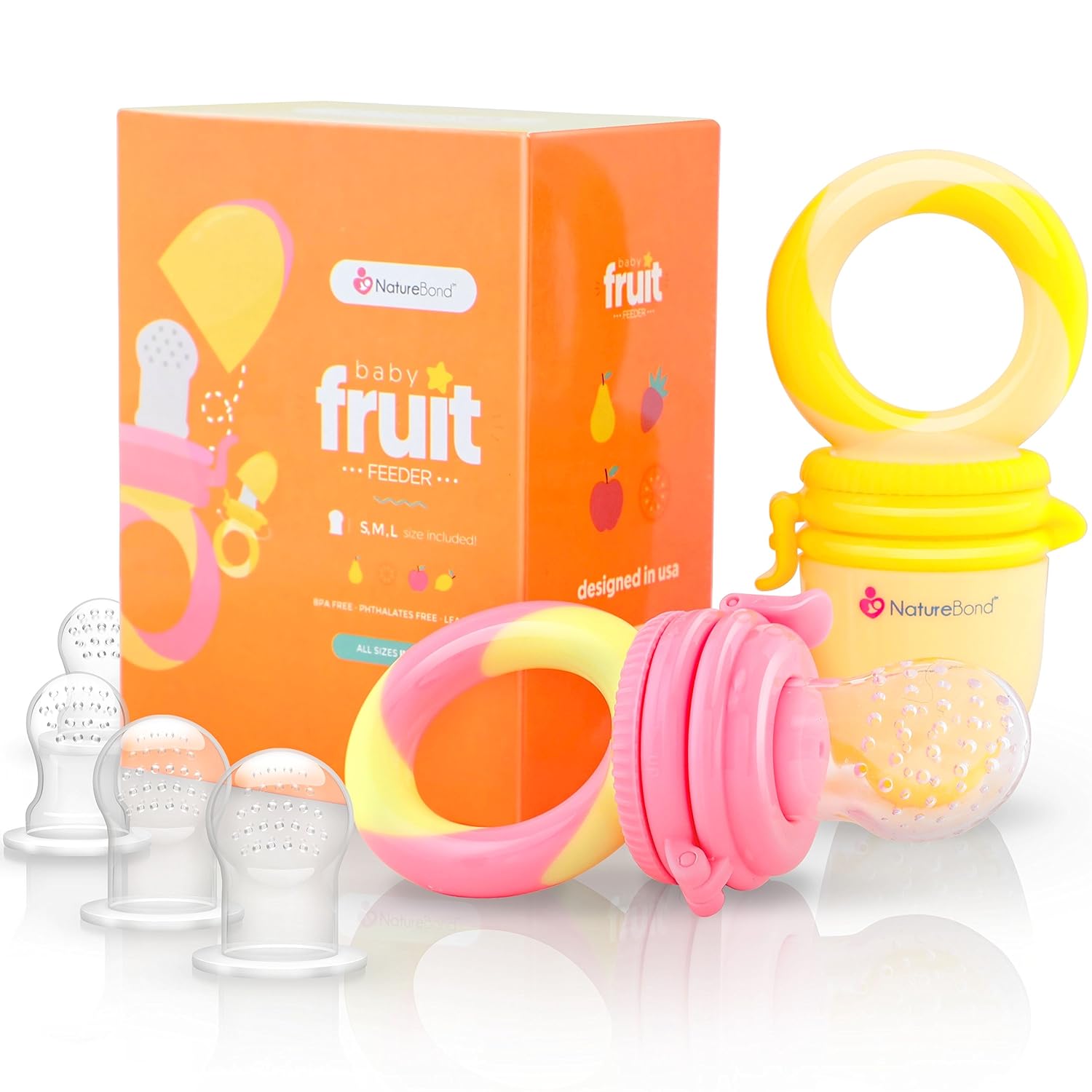
As parents, we are always on the lookout for tools that can make the journey of raising our little ones a little smoother and safer. Among the myriad of baby products available today, fruit feeders and teethers stand out as popular choices for addressing two very common developmental stages: introducing solid foods and navigating the often uncomfortable process of teething. These seemingly simple items can offer significant benefits, from helping babies explore new tastes and textures to providing much-needed relief for sore gums.
However, like all baby equipment, understanding how to use fruit feeders and teethers correctly, and knowing when it’s time to put them away, is crucial for ensuring your child’s safety and supporting their healthy development. This guide aims to provide practical, specific advice, drawing on the collective experience of those who handle these products daily, to help you make informed decisions about their use in your home.
What Are Fruit Feeders and Teethers?
Fruit feeders, also sometimes known as fresh food feeders, are designed to allow babies to safely consume whole foods in a controlled manner. They typically consist of a mesh bag or a silicone pouch attached to a handle, through which small pieces of fruit, vegetables, or even cooked meat can be placed. The baby chews or sucks on the feeder, allowing only small, manageable portions of the food to pass through the holes, thereby significantly reducing the risk of choking.
Teethers, on the other hand, are specifically designed to be chewed on by infants to help alleviate the discomfort associated with teething. They come in a vast array of shapes, sizes, and textures, made from various safe materials such as silicone, natural rubber, or wood. Their primary purpose is to provide a firm yet pliable surface for babies to bite down on, offering counter-pressure and gentle massage to their sensitive, swollen gums.
Benefits of Using Fruit Feeders
One of the primary benefits of fruit feeders is their ability to introduce babies to a wider range of tastes and textures safely and gradually. They allow infants to experience the natural flavours of fresh produce without the immediate concern of choking on larger chunks, which can be particularly reassuring for parents. This controlled exposure helps to broaden a baby’s palate and encourage adventurous eating habits from an early age.
Beyond taste exploration, fruit feeders also play a role in developing essential motor skills. Holding and manipulating the feeder helps improve a baby’s grip and hand-eye coordination. The act of chewing and sucking on the feeder strengthens jaw muscles and helps prepare the baby for more complex chewing actions required for independent eating. They can also be fantastic for cooling relief during teething when filled with frozen fruit.
Benefits of Using Teethers
The most immediate and appreciated benefit of teethers is the effective relief they provide for teething discomfort. As a baby’s gums swell and teeth begin to emerge, the pressure and irritation can cause significant pain and fussiness. Chewing on a teether offers a soothing counter-pressure that can help to alleviate this discomfort, providing a much-needed distraction from the persistent ache.
Furthermore, teethers offer a safe and hygienic alternative to babies chewing on their own hands, toys not designed for mouthing, or other household items. By providing an appropriate object for oral exploration, teethers support healthy oral motor development and satisfy a baby’s natural urge to chew during this critical developmental phase. Many designs incorporate different textures to further stimulate and massage sore gums.
Safety Considerations for Fruit Feeders
The paramount safety rule when using a fruit feeder is constant adult supervision. Never leave your baby unattended with a feeder, as unexpected incidents can occur quickly. Before each use, thoroughly inspect the feeder for any signs of wear, tear, or damage to the mesh or silicone, as compromised material could pose a choking hazard. Ensure the food placed inside is appropriate – soft, ripe, and cut into small pieces.
Food Choices and Hygiene
Always introduce new foods one at a time to easily identify any potential allergic reactions. Avoid placing hard foods like whole nuts, seeds, or large, firm chunks of fruit or vegetable that might break off or become lodged. After each use, dismantle and meticulously clean all parts of the feeder to prevent bacterial growth, especially in mesh feeders which can trap food particles. Regular sterilisation is also advisable.
Safety Considerations for Teethers
When selecting a teether, always choose products made from safe, non-toxic, BPA-free materials, such as food-grade silicone, natural rubber, or untreated wood. Avoid teethers with small, detachable parts that could break off and become a choking hazard. Regularly inspect teethers for any cracks, tears, or damage, and discard them immediately if they show signs of deterioration to prevent ingestion of small pieces.
Usage and Storage
Never tie a teether around a baby’s neck or attach it to clothing with a string long enough to pose a strangulation risk. While some teethers can be chilled in the refrigerator, avoid freezing them solid, as extreme cold can harm a baby’s sensitive gums. Always clean teethers thoroughly with warm soapy water after each use and follow manufacturer guidelines for sterilisation to maintain hygiene.
When to Introduce Fruit Feeders
The appropriate time to introduce a fruit feeder generally aligns with the introduction of solid foods, which is typically around 6 months of age. At this stage, your baby should be showing clear signs of readiness, such as being able to sit up unassisted, having good head control, and showing interest in food. Starting with soft, easily digestible pureed fruits or vegetables in the feeder can be a gentle introduction.
Remember that a fruit feeder is a complementary tool, not a replacement for traditional spoon-feeding or the eventual introduction of finger foods. Use it as an opportunity for your baby to explore new tastes and textures in a low-risk environment. Gradually transition to offering small, soft pieces of food directly as your baby’s chewing and swallowing skills develop, using the feeder primarily for exploration rather than full meals.
When to Introduce Teethers
Teethers become useful when your baby starts to exhibit the classic signs of teething. This can occur anywhere from 3 months up to a year, but most commonly begins around 4 to 7 months of age. Watch for symptoms like increased drooling, swollen or red gums, fussiness, irritability, and a strong urge to chew on anything within reach, including their own hands or toys.
Offer a variety of teethers with different textures and firmness to see what your baby prefers. Some babies find relief from chilled teethers, while others prefer the simple pressure of a soft silicone ring. Make sure teethers are always clean and readily accessible to your baby when they start showing signs of discomfort, allowing them to self-soothe effectively and safely.
When to Stop Using Fruit Feeders and Teethers
The use of fruit feeders should generally be phased out as your baby develops more advanced chewing and eating skills, typically between 9 and 12 months of age. Continued reliance on a feeder can hinder the development of independent eating habits, including learning to manage larger pieces of food and developing proper jaw and tongue movements for chewing. Encourage progression to finger foods as soon as your baby is ready.
For teethers, the natural stopping point is usually when the primary set of teeth has fully emerged and the discomfort of teething subsides, which can be around 2.5 to 3 years old. Your child will likely lose interest in teethers as their need for oral soothing diminishes. If a child continues to seek oral comfort past this age, it might be beneficial to consult with a paediatrician or dentist to ensure healthy oral development.
The short version
- Supervise Constantly: Always keep a watchful eye on your baby when they are using a fruit feeder or teether to ensure their safety.
- Prioritise Hygiene and Condition: Choose safe, non-toxic products, inspect them regularly for damage, and clean them thoroughly after every use.
- Know When to Transition: Phase out fruit feeders as your baby develops independent eating skills, and teethers when teething discomfort subsides to support healthy development.
Where to go next
Everything discussed here sits under Fruit Feeders and Teethers in our shop. Delivery and returns are set out on the Shipping Policy and Refund and Returns Policy pages. If something here does not answer your question, ask us directly — we would rather talk it through than have you buy the wrong thing.