Caring for silicone feeding gear so it lasts past the first year

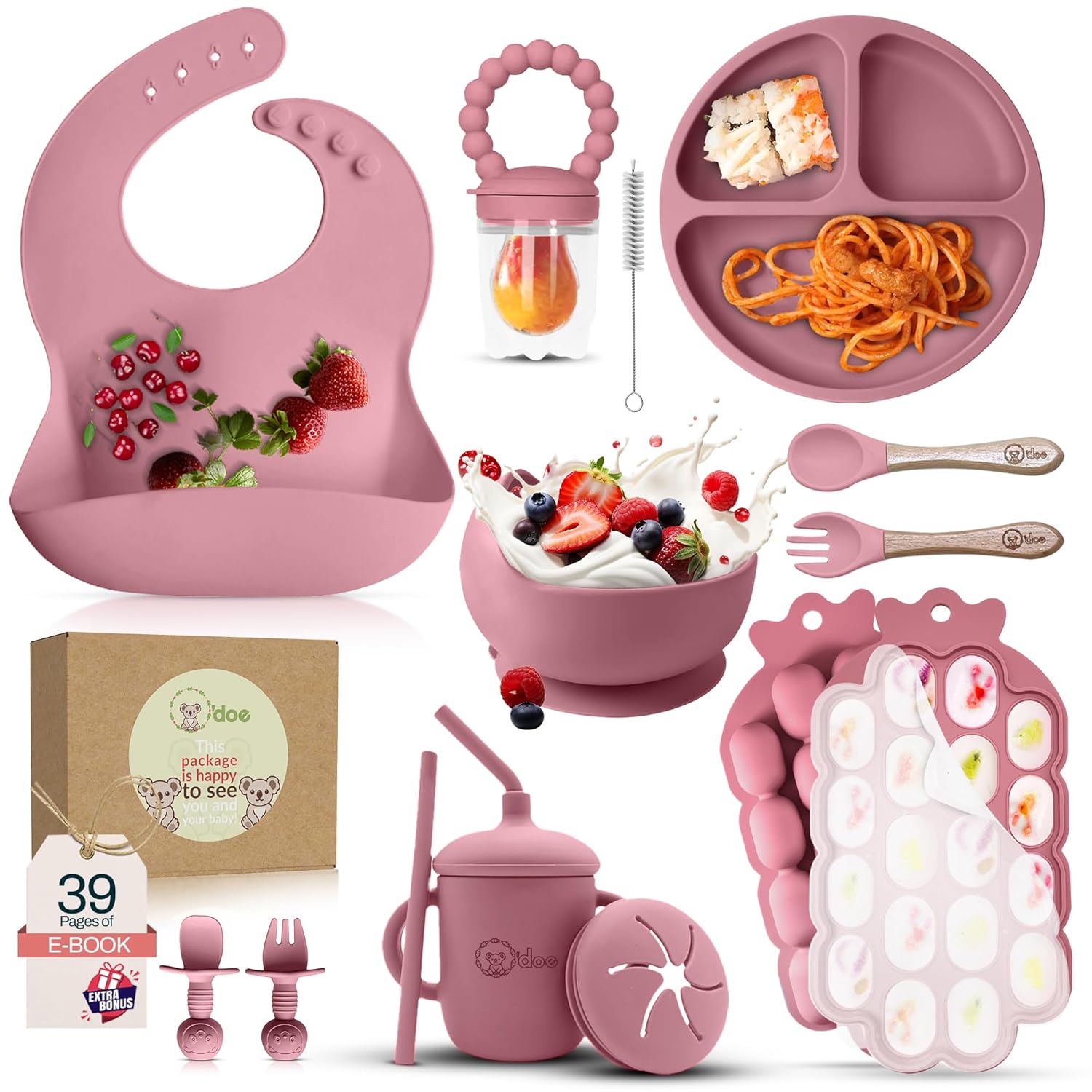
Silicone feeding gear has become a staple for parents, offering a safe, durable, and practical alternative to traditional plastics. Its appealing flexibility, heat resistance, and non-toxic properties make it an excellent investment for your little one’s weaning journey. We understand that equipping your kitchen with these essentials, from suction bowls and plates to soft-tip spoons and fruit feeders, is a decision made with both practicality and longevity in mind. You want these items to last.
Ensuring your silicone feeding accessories stand the test of time, enduring countless meals and washes, requires a little understanding and consistent care. This guide from Yamadaya aims to provide you with practical, specific advice drawn from our daily experience with these products. By following these simple yet effective tips, you can confidently maintain the quality and extend the lifespan of your baby’s weaning sets well beyond their first year, making the most of your investment.
Initial Cleaning and Sterilisation
Before your baby’s first meal touches any new silicone item, a thorough initial clean is paramount. This removes any manufacturing residues or dust that may have accumulated during transit. Wash all components, including bibs, spoons, and formula dispensers, with warm, soapy water using a mild, unscented dish soap. Rinse them completely under running water to ensure no soap residue remains.
Sterilisation is crucial for new items and often recommended for newborns. You can safely sterilise most silicone products by boiling them in water for a few minutes – typically 3-5 is sufficient. Alternatively, a steam steriliser, either electric or microwave-based, is an effective option. Always check the specific product instructions for recommended sterilisation times and methods to ensure material integrity.
Daily Washing Methods
After each use, prompt cleaning is key to preventing food from drying and staining. Handwashing silicone bowls, plates, and fruit feeders with warm water and a gentle dish soap immediately after meals is often the most effective method. Use a soft sponge or cloth to meticulously clean all surfaces, paying extra attention to crevices where food might accumulate.
Many silicone feeding products are also dishwasher-safe, which offers a convenient cleaning solution. To ensure optimal results and prevent damage, always place silicone items on the top rack of your dishwasher. High heat from bottom racks or proximity to heating elements can potentially warp or degrade the material over time. Check individual product guidelines for dishwasher suitability.
Tackling Stubborn Stains and Odours
Silicone, while resistant, can sometimes absorb pigments from highly coloured foods like tomato sauce, carrots, or blueberries, leading to stubborn stains. For these, try creating a paste with baking soda and a little water, then gently scrub the stained area. Allow it to sit for an hour or two before rinsing thoroughly. Sunlight can also be surprisingly effective for bleaching stains naturally.
Odours, particularly from strong-smelling foods like garlic or certain fruits, can occasionally cling to silicone. To neutralise them, soak the affected item in a solution of warm water and white vinegar (a 1:1 ratio) for an hour, or even overnight. A lemon half can also be rubbed directly onto the silicone. Always rinse and air dry thoroughly afterwards to remove any lingering vinegar scent.
Drying and Storage Best Practices
Proper drying is essential to prevent water spots and, more importantly, the growth of mould or mildew, especially in humid environments. After washing, ensure all silicone items are completely dry before storing. Air drying on a rack allows for optimal circulation, or you can gently pat them dry with a clean, lint-free cloth. Avoid stacking wet items.
Store your clean, dry silicone feeding gear in a designated clean, dry cupboard or drawer, away from direct sunlight or extreme temperatures. Avoid placing heavy objects on top of silicone bowls or plates, as this can cause them to warp or lose their original shape over time. Proper storage helps maintain their integrity and readiness for the next mealtime adventure.
Heat Exposure and Microwave Use
Silicone’s inherent heat resistance is one of its greatest advantages. Most silicone feeding products are safe for reheating food in the microwave, but always use caution and moderate settings. Avoid prolonged microwave exposure, which can lead to uneven heating or potential material degradation over many uses. Always check food temperature before serving to your child.
While some silicone bakeware is oven-safe, it’s generally best to avoid using baby feeding items in conventional ovens unless specifically stated by the manufacturer for that purpose. Direct contact with heating elements or flames can cause irreparable damage. Always refer to the product’s specific temperature guidelines to prevent melting, warping, or chemical changes in the material.
Inspecting for Wear and Tear
Regular inspection of your silicone feeding gear is a crucial step in ensuring ongoing safety and hygiene. Before each use, carefully check all items for any signs of wear, such as tears, cracks, holes, or excessive stickiness. Pay particular attention to areas that experience frequent bending or stretching, like the rims of bibs or the suction bases of bowls.
Discolouration or a persistent cloudy appearance might indicate material degradation, especially if accompanied by a change in texture. If you notice any significant damage, a new strong odour that won’t dissipate, or a marked change in the silicone’s feel, it is advisable to replace the item. Prioritising your child’s safety always comes first.
Addressing Stickiness and Residue
Over time, some silicone items might develop a slightly sticky or tacky feel. This can be caused by a build-up of mineral deposits from hard water, detergent residues, or even tiny dust particles adhering to the surface. It’s a common characteristic of silicone and doesn’t necessarily mean the product is faulty, but it does indicate a need for deeper cleaning.
To restore smooth texture, try a deep clean using hot water and a generous amount of white vinegar, allowing the items to soak for several hours or overnight. Alternatively, a paste of baking soda and water can be rubbed over the surface, left to sit, and then rinsed thoroughly. Ensure complete drying afterwards to prevent recurrence.
The Role of Quality and Usage Habits
The longevity of your silicone feeding gear often begins with the quality of the product itself. Opting for reputable brands that use high-grade, food-safe silicone ensures better durability and resistance to wear and tear. While proper care can extend the life of any item, a well-made product will inherently stand up better to the rigours of daily use and frequent washing.
Beyond initial quality, your daily usage habits play a significant role. Gentle handling, avoiding sharp utensils that could scratch or puncture the silicone, and consistently following the cleaning and storage advice outlined here will make a tangible difference. Treating your silicone items with care ensures they remain hygienic, functional, and aesthetically pleasing for many years to come.
The short version
- Clean promptly: Wash silicone gear immediately after use with mild soap and warm water, or on the top rack of the dishwasher.
- Dry thoroughly: Air dry completely or pat dry to prevent water spots and mould, then store in a clean, dry place away from direct sunlight.
- Inspect regularly: Check for any signs of damage, unusual stickiness, or persistent odours, and replace items if their integrity or safety is compromised.
Where to go next
Everything discussed here sits under Weaning Sets in our shop. Delivery and returns are set out on the Shipping Policy and Refund and Returns Policy pages, and you may also want Starting solids: the short list of equipment you actually need. If something here does not answer your question, ask us directly — we would rather talk it through than have you buy the wrong thing.